| DJI Mavic 3 Enterprise is designed for use in open areas in clear weather. Operating the quadcopter in rain, snow, frost, hail or fog is prohibited. DJI Mavic 3 Enterprise has no IP protection, so if this requirement is violated, moisture may get on the camera lens and inside the device. This may degrade the data quality and damage the internal structure of the quadcopter. If precipitation starts, stop operating immediately, land the drone, wipe it with dry tissues and put it in the case. Operating DJI Mavic 3 Enterprise at sub-zero temperatures and high humidity (above 80%) may cause icing of the drone and camera. This may degrade data quality, damage the DJI Mavic 3 Enterprise and even cause the drone to crash during the survey because of propeller icing. When flying DJI Mavic 3 Enterprise in winds above 5 m/s, keep in mind that mission time and battery consumption may increase. For images of optimal quality, fly in daylight with sufficient lighting. The most favorable weather is even light cloud cover, when there are practically no shadows and light is distributed evenly. With poor or no GNSS signal, DJI Mavic 3 Enterprise cannot be used to calculate the trajectory. The minimum number of visible satellites is 8. It is strongly recommended to check the weather and the number of visible satellites before the flight. DJI Mavic 3 Enterprise requires careful handling of the main camera lens. Foreign objects can easily scratch the sensor surface. Minor single scratches will not noticeably degrade the data quality. Always take off from a flat, clean, stable, non-metallic surface. | Icing of a DJI M200 quadcopter and TOPODRONE laser scanner Icing of a DJI M200 propeller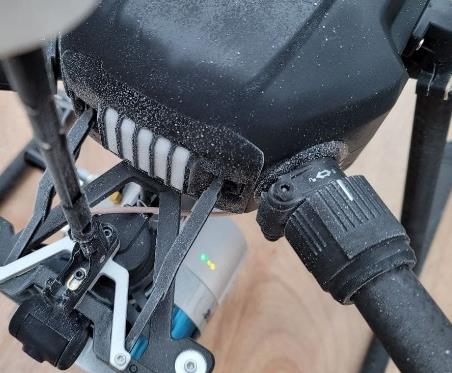 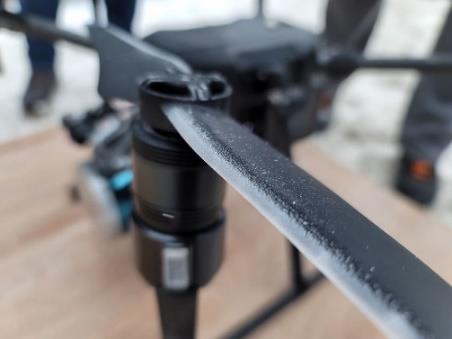 |
Sand, dirt, dust and metal shavings getting inside the drone or gimbal motors may cause serious failures or make flight impossible.
The manufacturer and the seller are not liable for equipment failure if it is used in violation of the requirements and operating conditions.