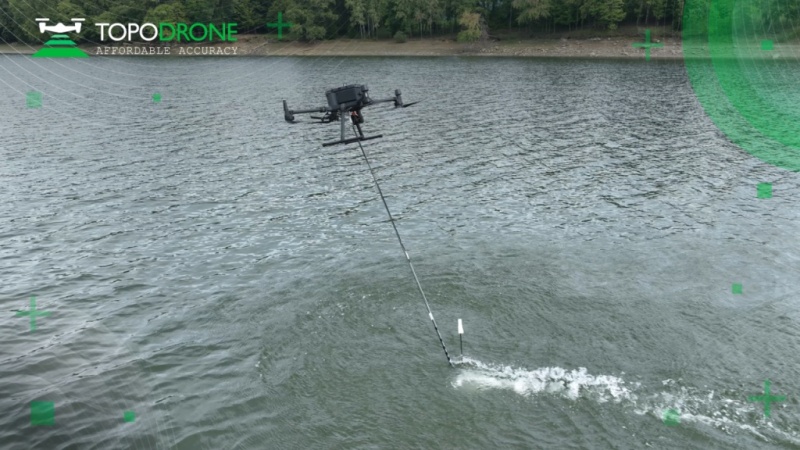







The TOPODRONE team delivered an on-site training programme for specialists from the University of Cyprus focused on the application of unmanned technologies for bathymetric monitoring of reservoirs and hydraulic structures.
The practical part of the course took place directly at the client’s site — a dam near the city of Paphos that had previously failed and remained under repair for several years. Following the restoration of the hydraulic structure, the reservoir was refilled, creating the need for regular monitoring of the underwater terrain.
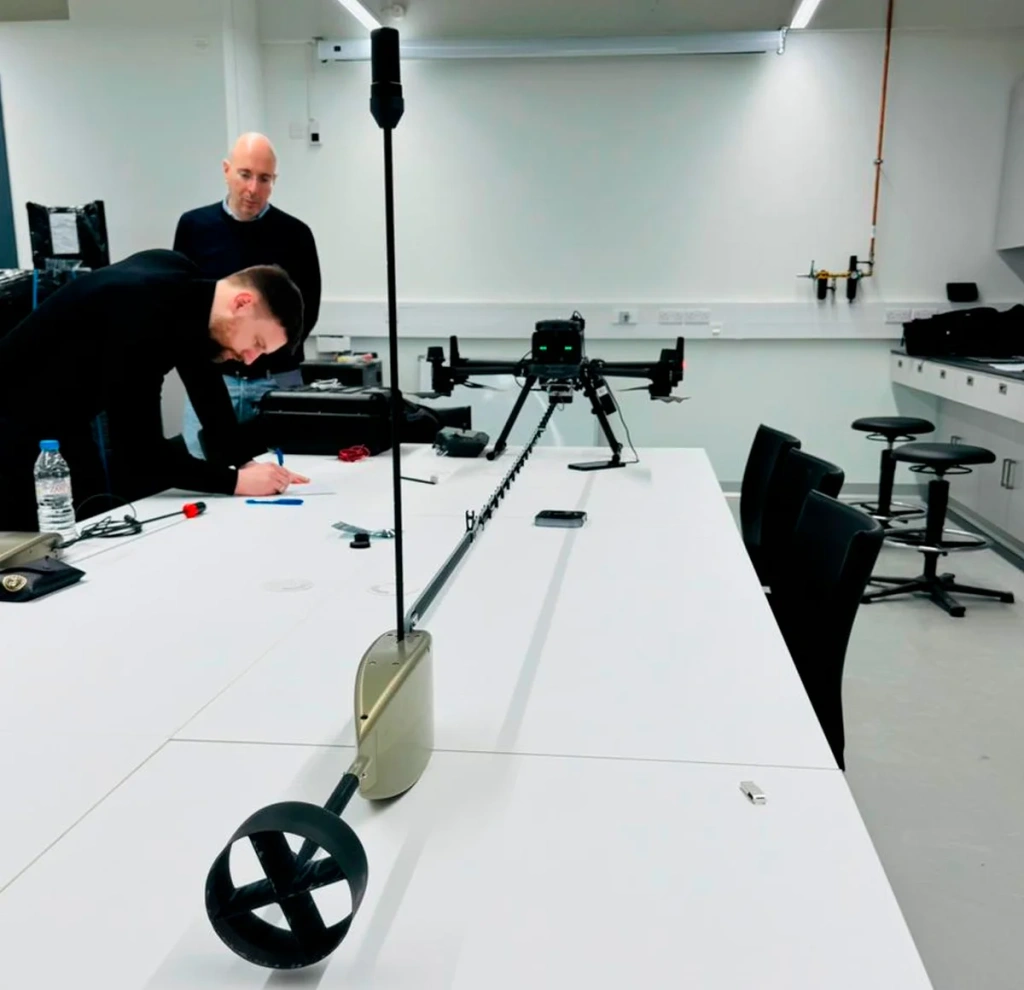
To address this task, the university acquired the TOPODRONE AQUAMAPPER NEXTGEN bathymetric system, installed on a DJI Matrice 350 UAV platform.
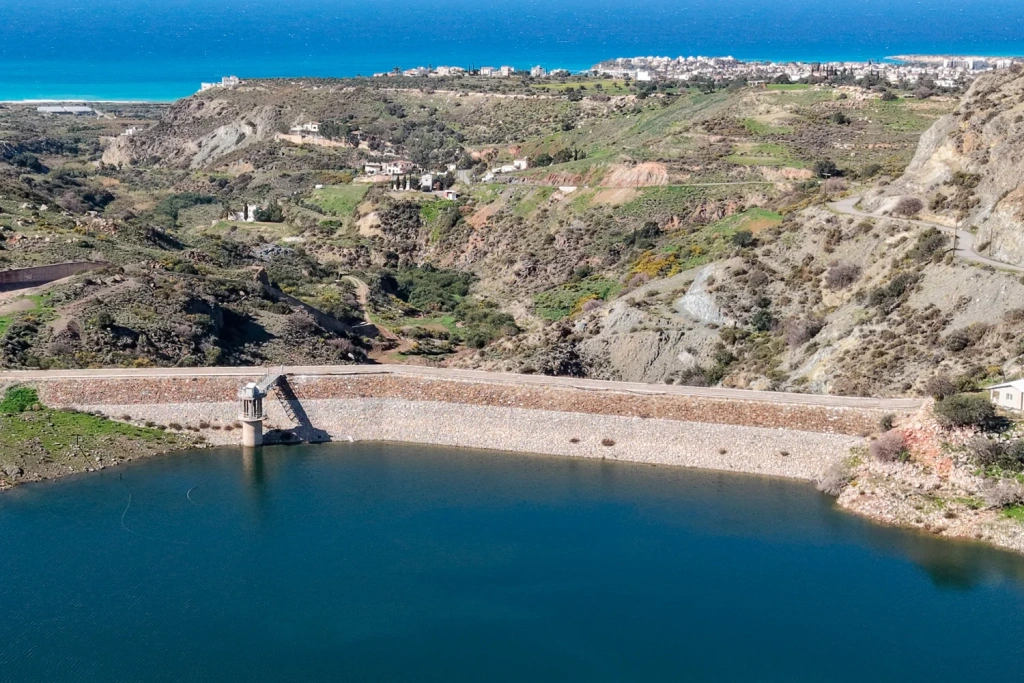
Image 1. Dam near Paphos
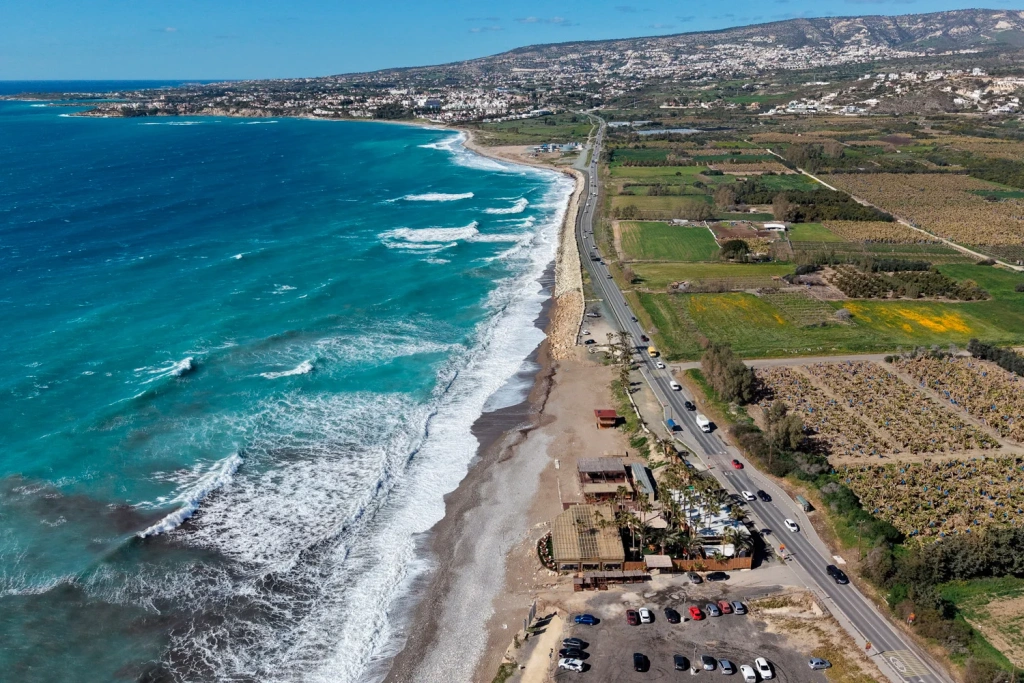
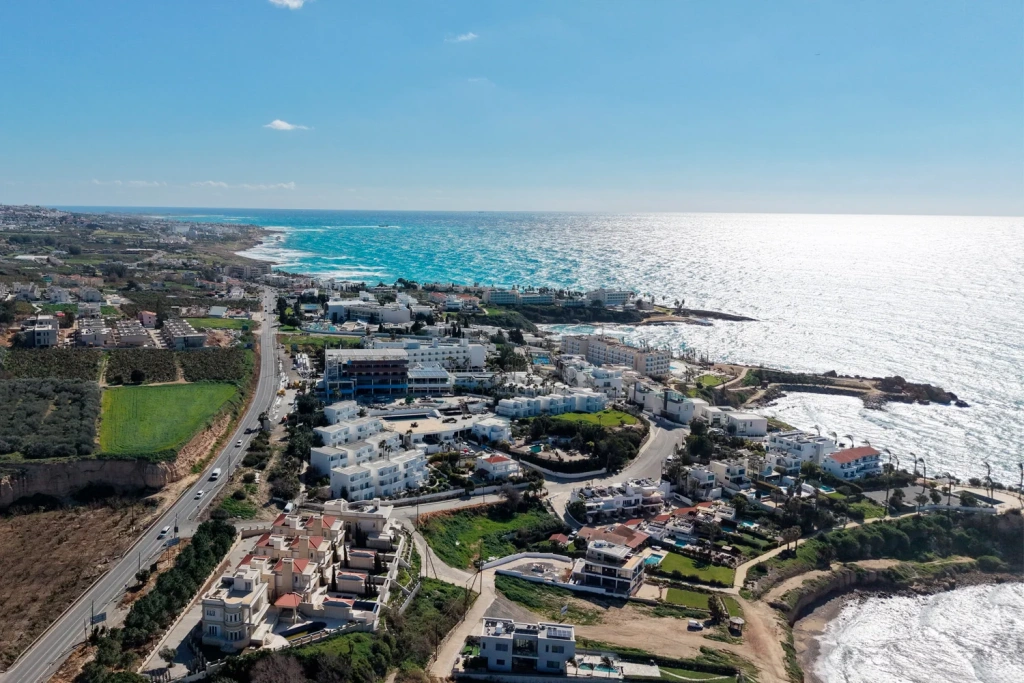
Images 2–4. We couldn’t resist sharing these beautiful views of springtime Cyprus ;)
Why Bathymetric Monitoring Is Required
The dam is already equipped with a system of sensors and monitoring pipes used to track movements of soil layers. However, such systems record only localised changes and do not provide a complete picture of how the reservoir bed morphology evolves over time.
At the same time, changes in the underwater terrain may indicate important processes, including:
- sediment and sand deposition;
- redistribution of bottom material;
- changes in bed geometry near hydraulic structures.
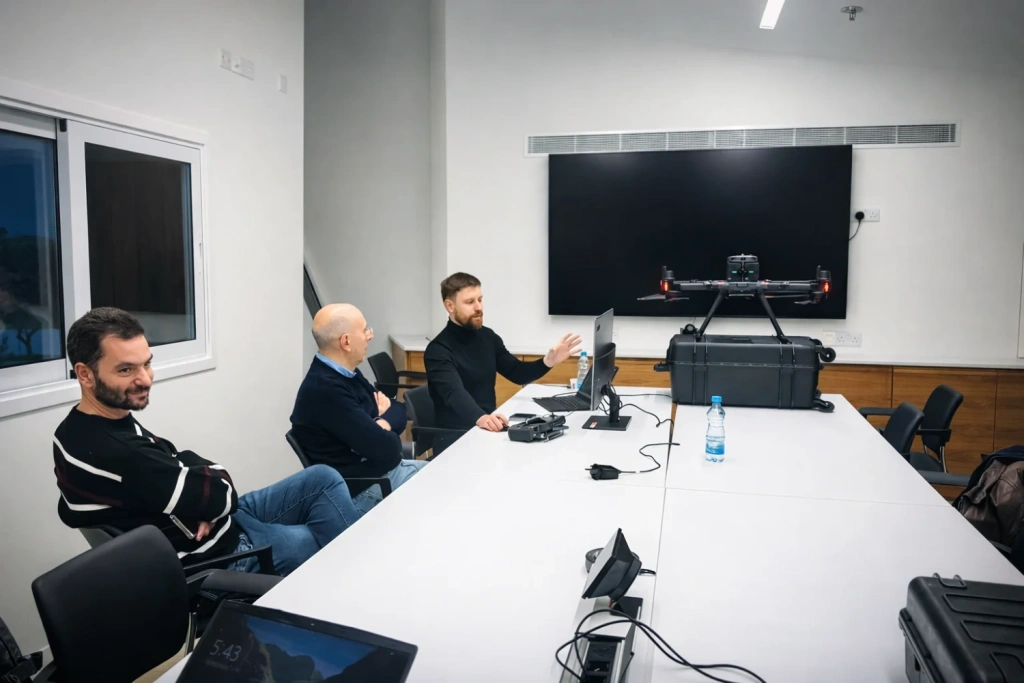
Image 5. Classroom session of the training course
UAV-based bathymetric surveying makes it possible to regularly obtain a spatial model of the reservoir bed, significantly expanding monitoring capabilities.
Surveying in Areas with Vegetation on the Reservoir Bed
During the long period when the reservoir remained empty, parts of the exposed bed became overgrown with grass and shrubs.
Under such conditions, it is particularly important to determine the true bottom level accurately.
The TOPODRONE AQUAMAPPER NEXTGEN bathymetric system is equipped with a dual-frequency ultrasonic sensor operating at 200 kHz and 450 kHz.
The higher frequency reflects from the upper layers, such as aquatic vegetation, while the lower frequency penetrates through silt and plant cover, allowing surveyors to determine the actual bed elevation.
This approach makes it possible to obtain reliable bathymetric data even in challenging conditions.
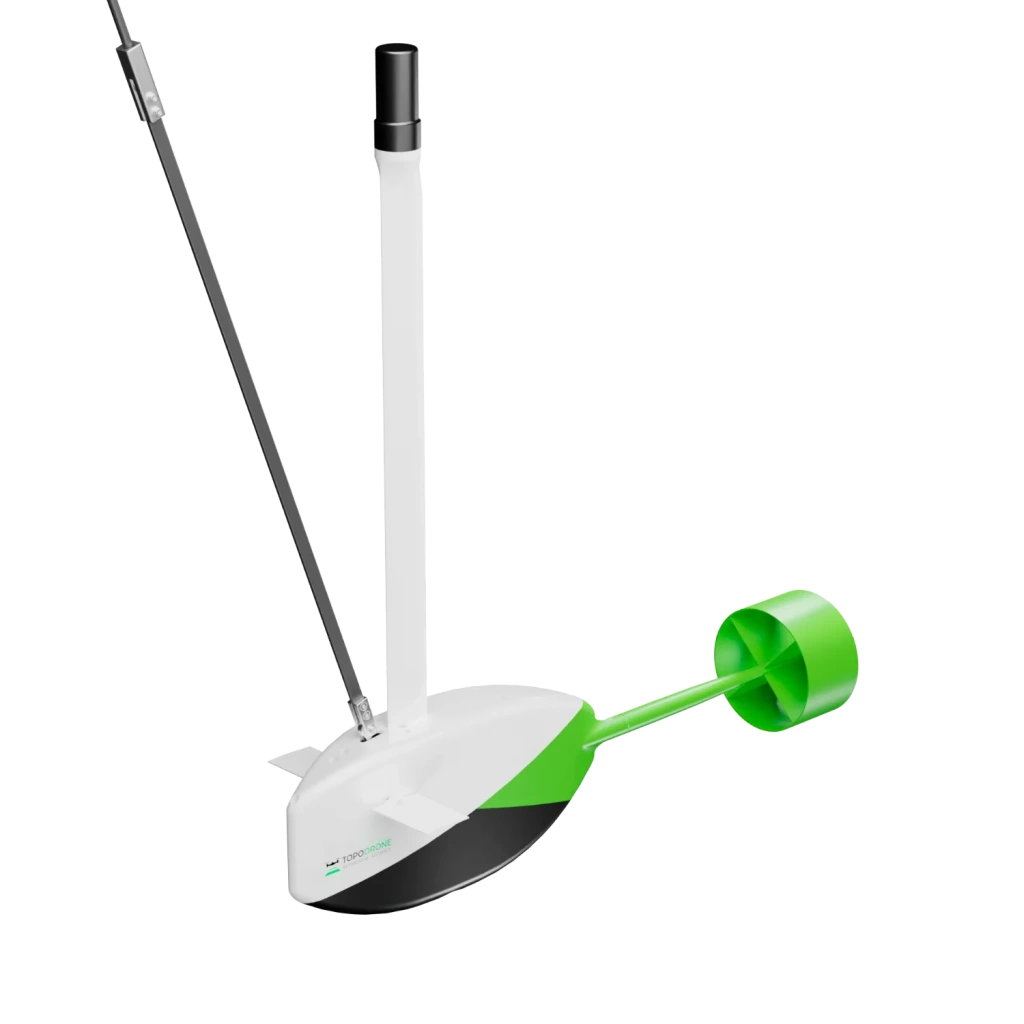
Image 6. TOPODRONE AQUAMAPPER NEXTGEN bathymetric system
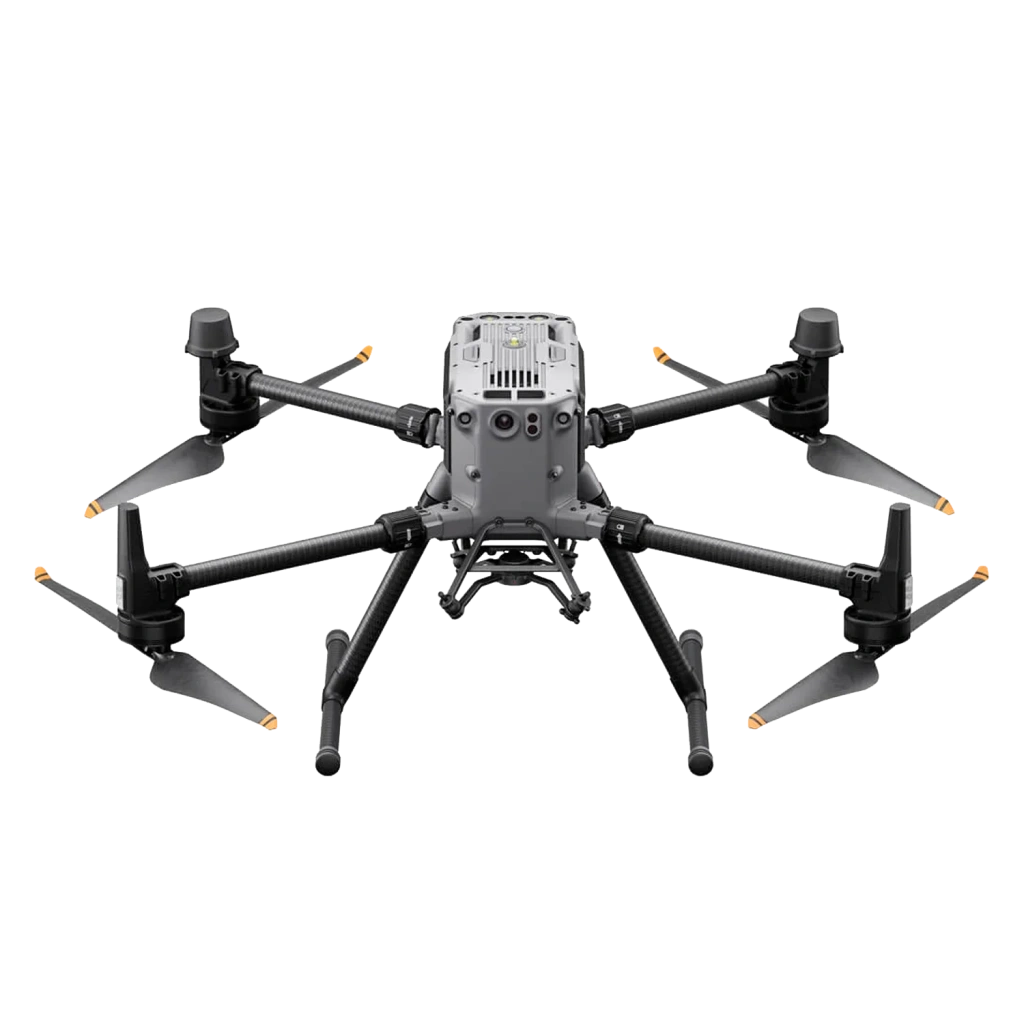
Image 7. DJI Matrice 350 RTK UAV platform
Practical Training at a Real Infrastructure Site
The training programme focused on the operation of geodetic UAV-based survey systems and covered the complete workflow — from mission planning to the generation of final deliverables.
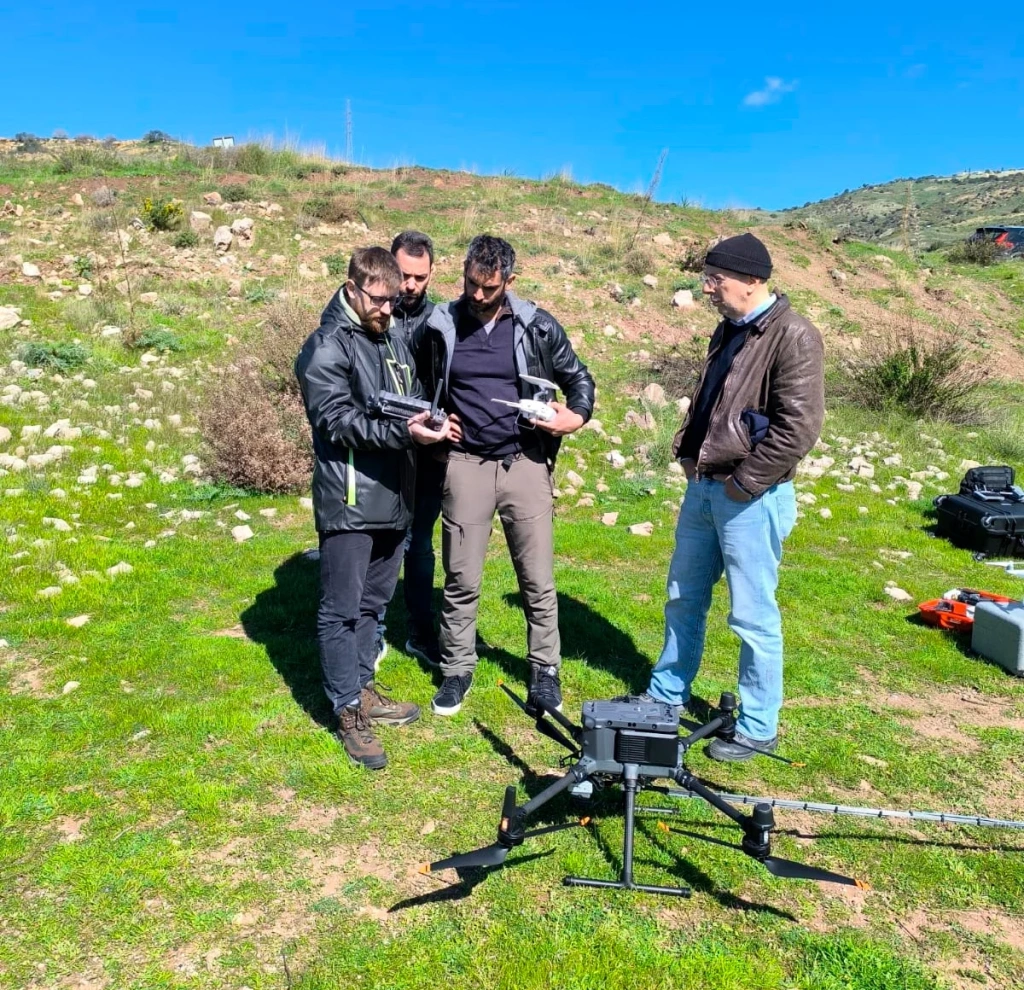
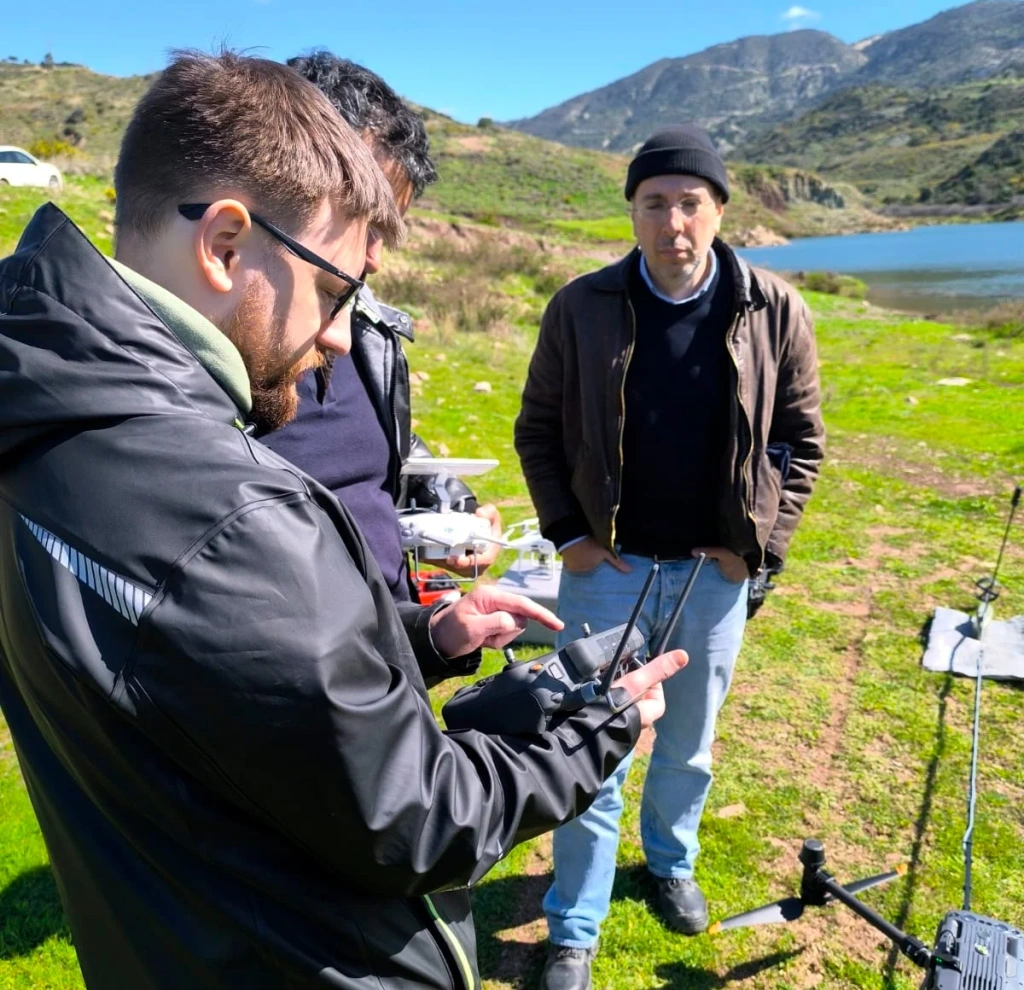
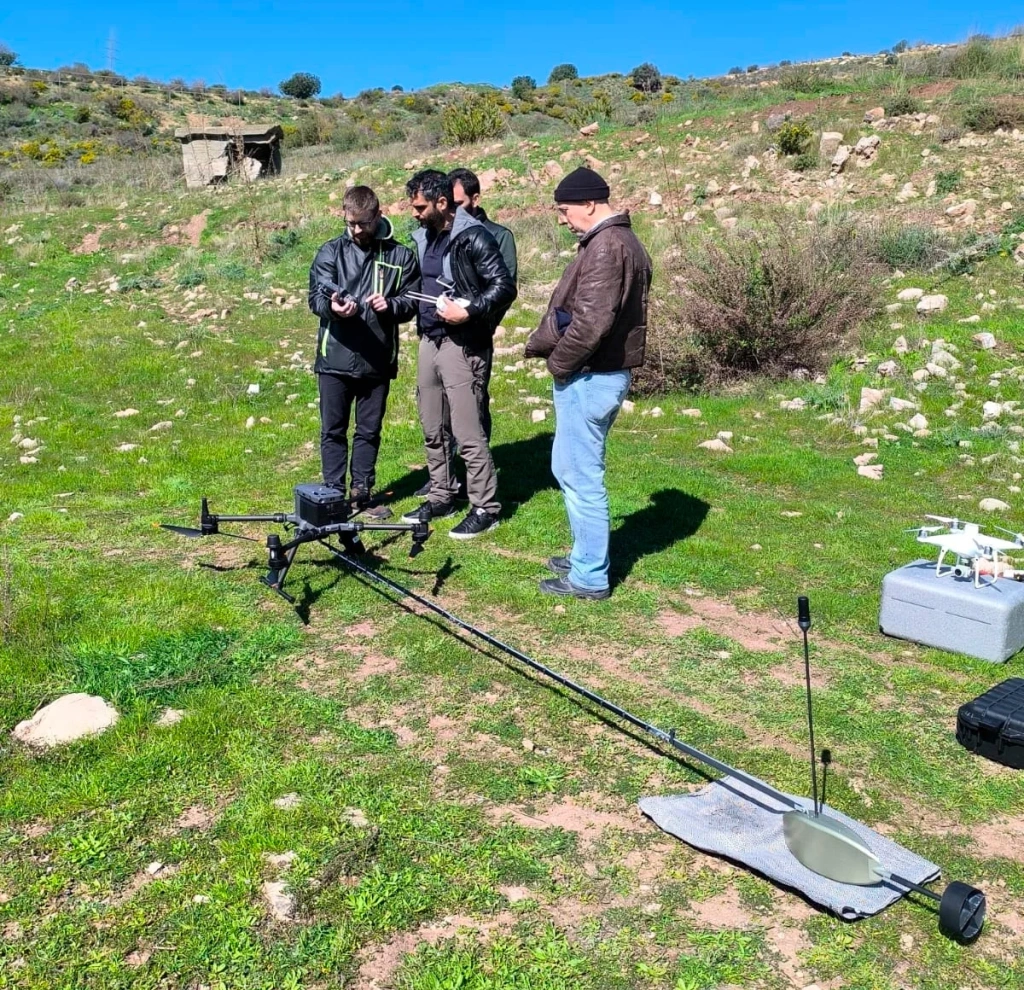
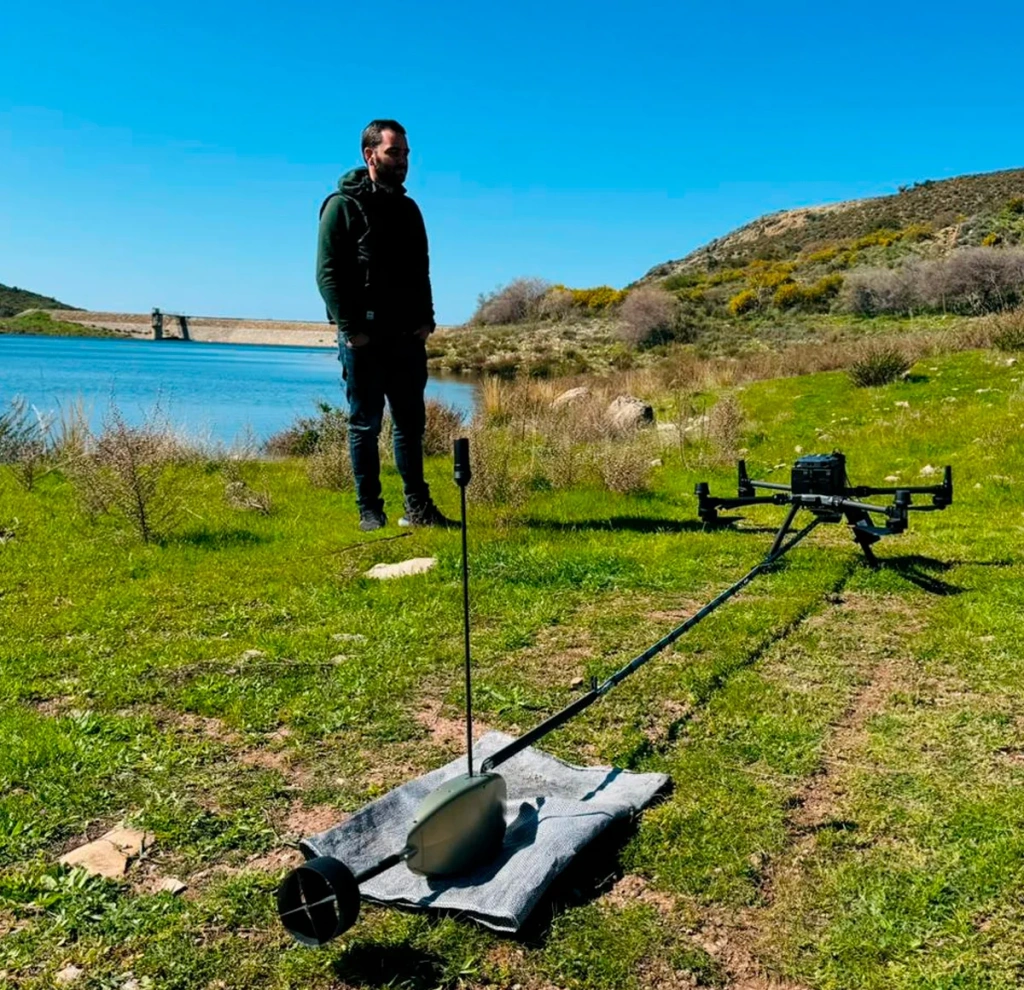
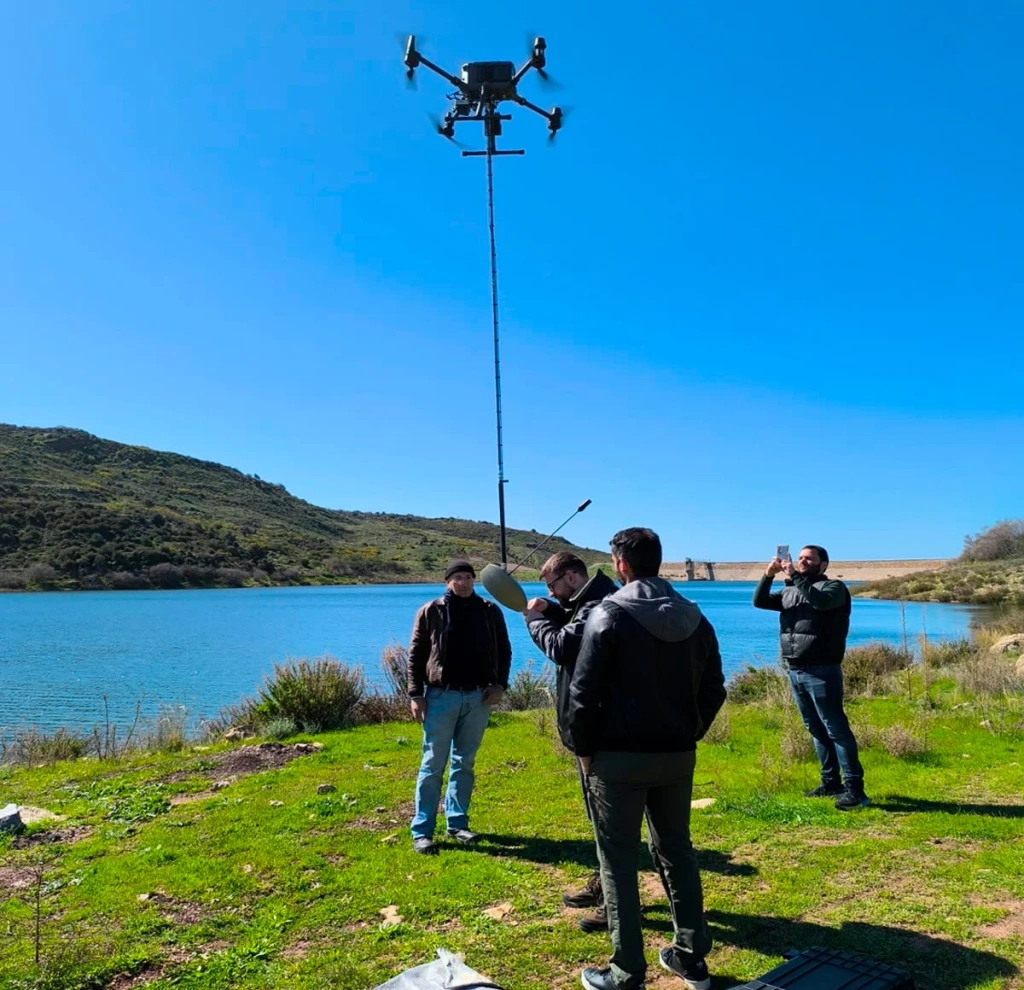
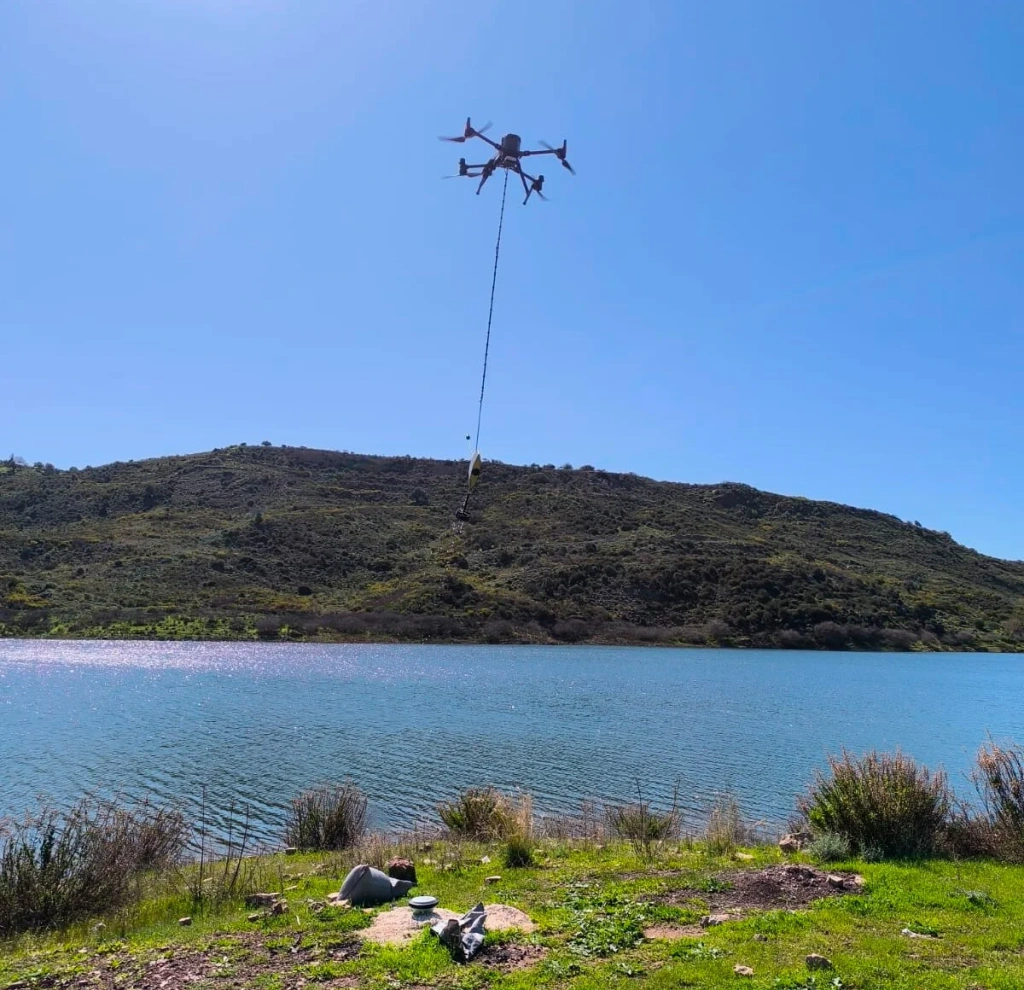
Images 8–16. Field operations, equipment setup and UAV flight
During the practical sessions, university specialists practised:
- equipment preparation and mission planning;
- performing bathymetric survey using a UAV;
- field-based data quality control;
- processing survey results and generating a bathymetric terrain model.
Initial data processing was performed in TOPODRONE Post Processing, followed by further processing in LIDAR360.
As part of the practical exercises, a demonstration survey of a reservoir section was carried out: four survey lines with 25 m spacing, each approximately 200 m in length.
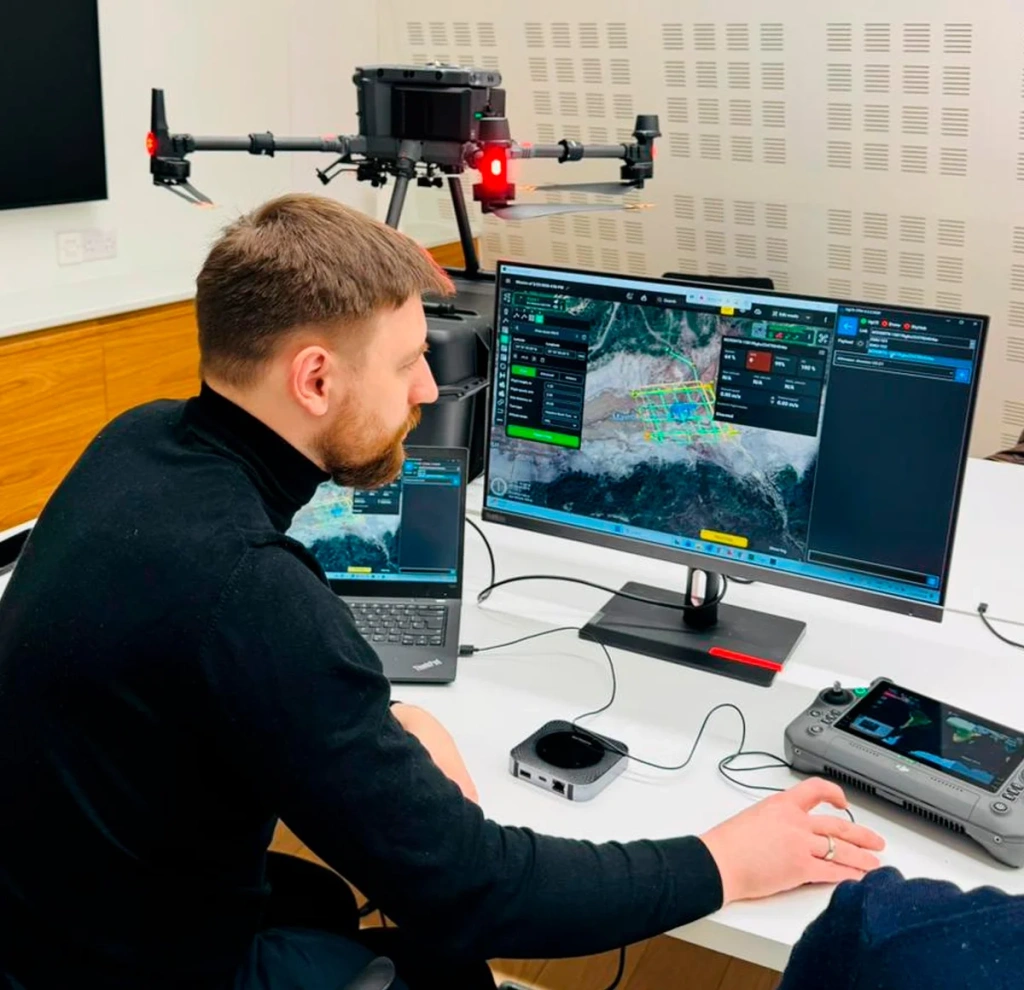
Images 17–18. Processing of the survey data
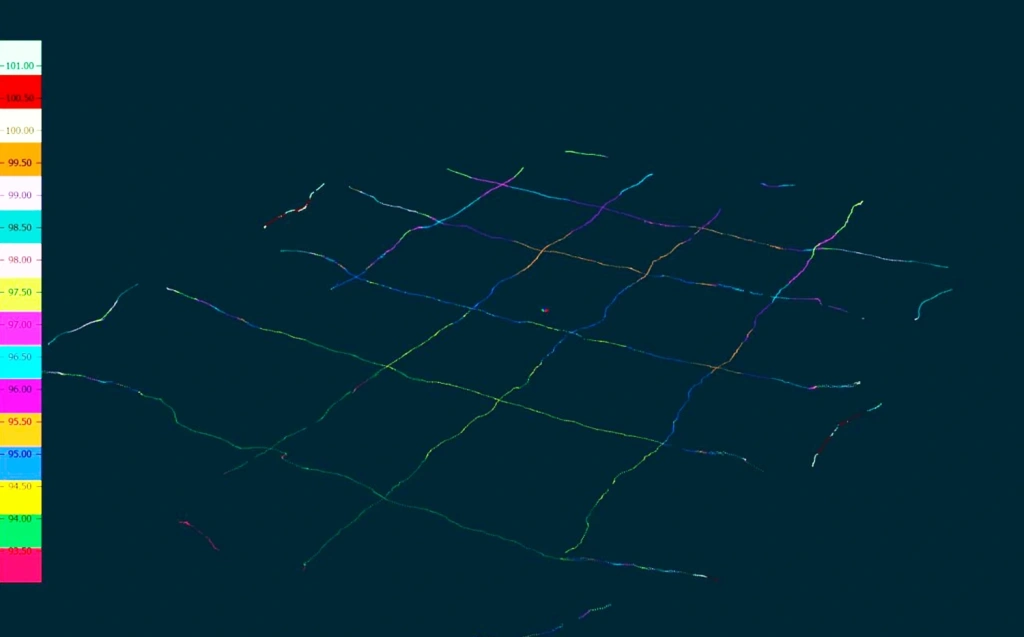
Image 19. Software interface with imported data
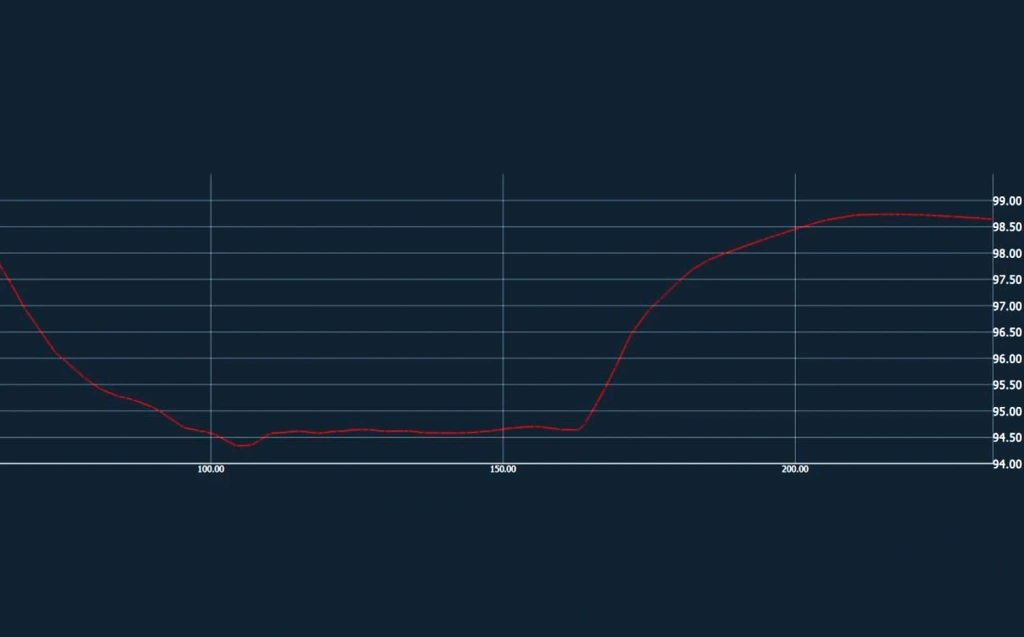
Image 20. Upper panel — roll and pitch deviations; lower panel — bathymetric profile of the reservoir bed
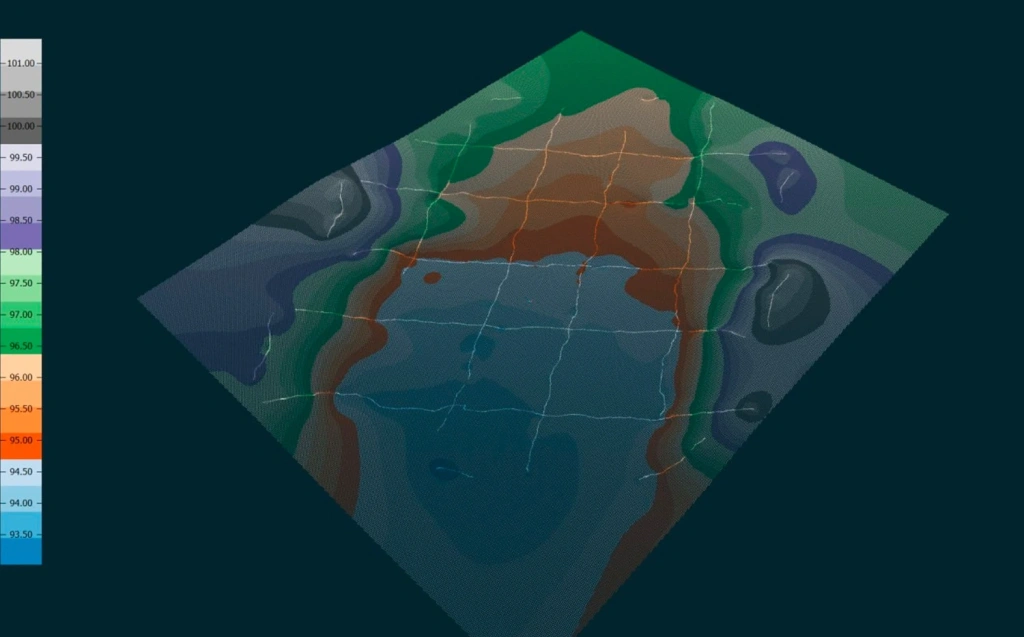
Image 21. Calculated survey trajectory and bathymetric measurements
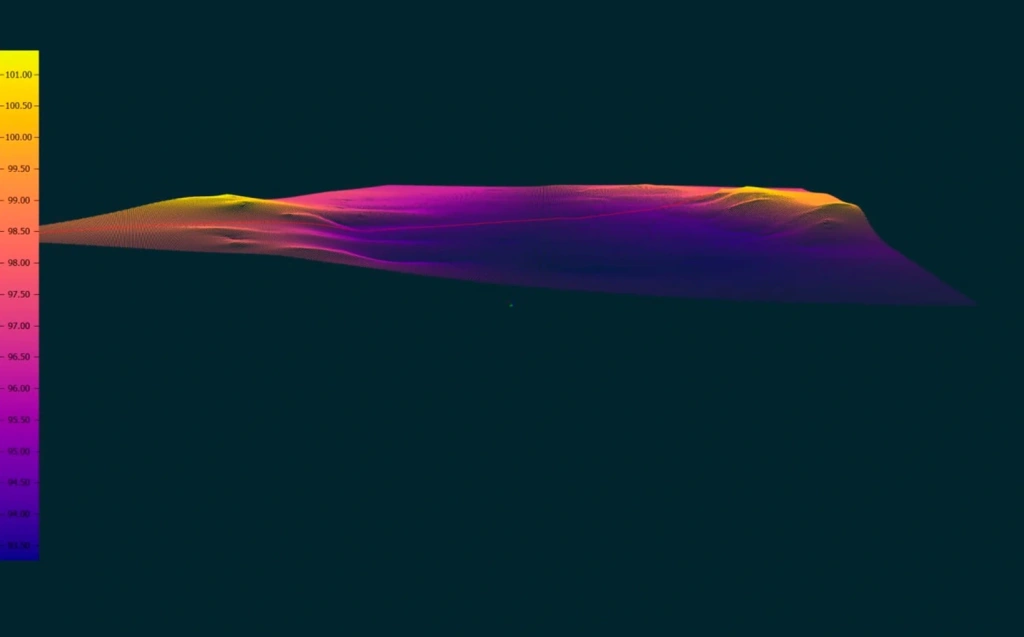
Image 22. Raw data
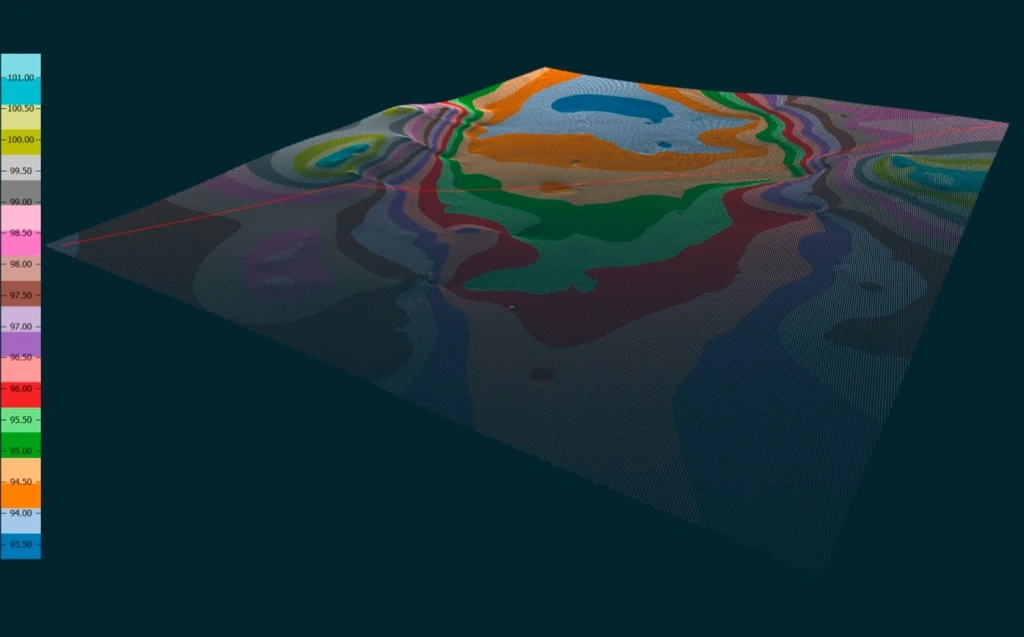
Image 23. Reservoir bed profile
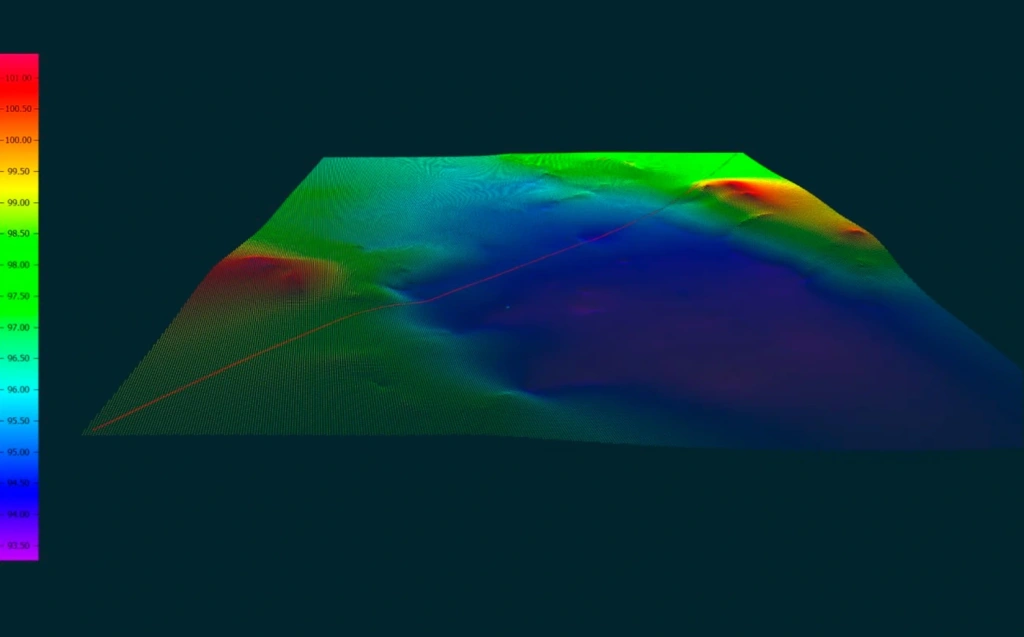
Image 24. Interpolated DEM with raw measurement points
This survey configuration allows specialists to quickly obtain cross-sectional bathymetric profiles and assess the condition of the reservoir bed.
Working on a real infrastructure site enabled participants not only to learn how to operate the equipment but also to see how the collected data is used in practical monitoring applications.
Future Applications
It is planned that bathymetric surveys of the reservoir will be conducted approximately once per month.
Regular monitoring will make it possible to track changes in the reservoir bed morphology and identify potential risks to the hydraulic structure at an early stage.
In addition to monitoring the dam itself, the system is expected to be used for surveying coastal areas and other freshwater bodies across Cyprus.